
Category: State

  • CT Senators Lead the way to protect CT Residents from Trump’s Tax Cuts

    CT Senators Lead the way to protect CT Residents from Trump’s Tax Cuts

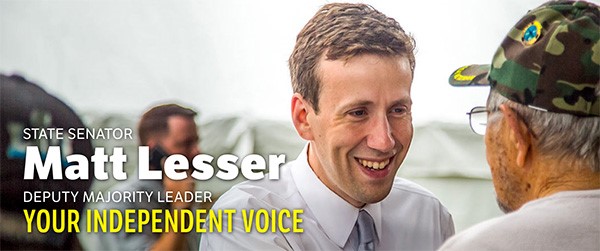
    From the desk of CT Senator Matt Lesser:

    This week, with the start of the legislative session, Senate Democrats led an effort to establish a new Federal Cuts Response Fund, continuing efforts started last year to ensure the state is equipped to respond to rapid and unpredictable federal funding cuts coming from Donald Trump and the federal government. The fund utilizes approximately $313 million following a state investment of $500 million last year to allow the state to quickly respond.

    The federal government’s cutting and ending of programs ranging from health care subsidies to food assistance programs have caused serious issues for many state residents since Trump became president, and further changes and threats of lost funding continue to concern state leaders. Should serious problems arise, Connecticut is ready to meet the moment.

    Key supporters in the CT Senate include:

    • Republicans: Tony Hwang, Heather Somers, and Jason Perillo.
    • Democrats: Norm Needleman, Paul Honig, Jan Hochadel, Saud Anwar, Derek Slap, Christine Cohen, and Patricia Billie Miller. 

    Read more about what CT Senator Lesser is doing here
  • Speaker Ritter Talks Budget Surplus, Federal Uncertainty & Housing Challenges at Middlesex Chamber Breakfast in Middletown

    Speaker Ritter Talks Budget Surplus, Federal Uncertainty & Housing Challenges at Middlesex Chamber Breakfast in Middletown

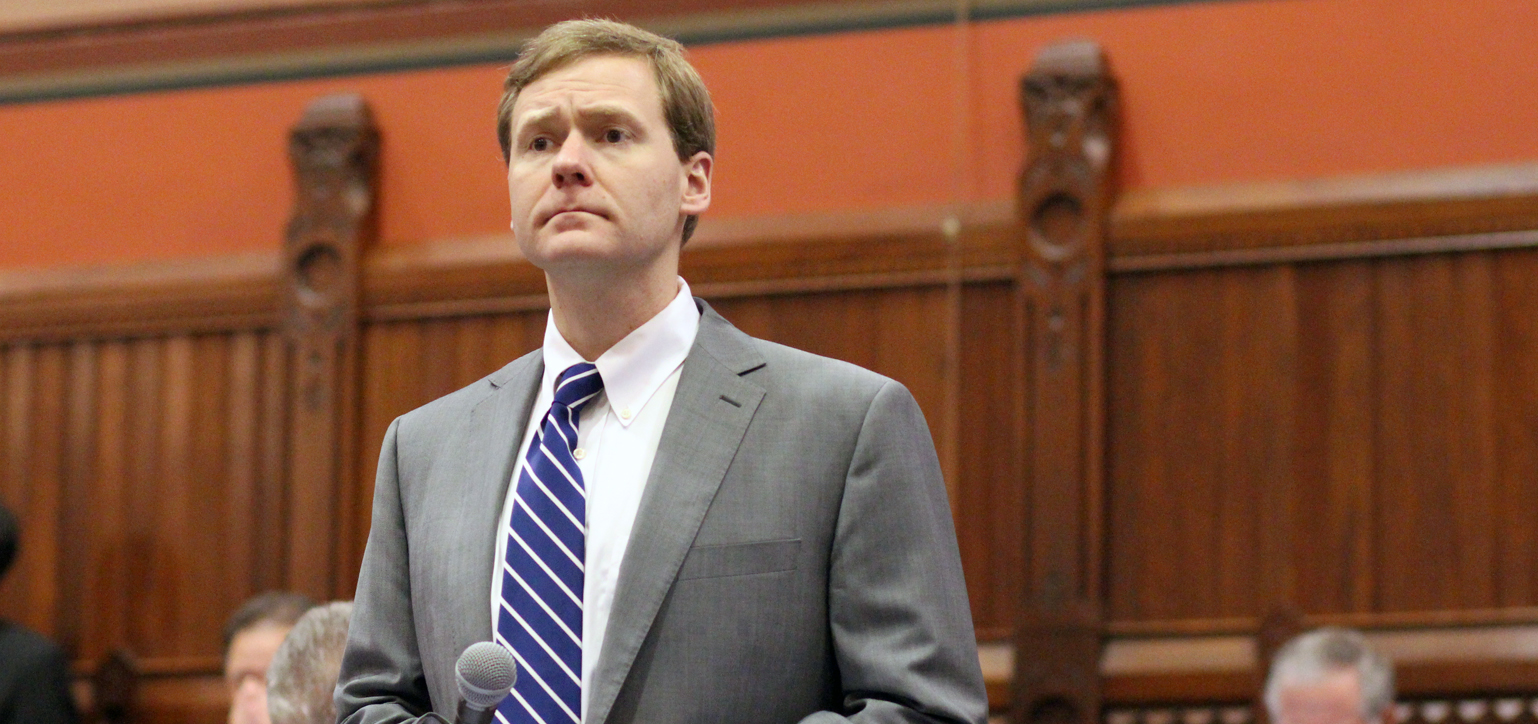
    On April 30, Speaker of the Connecticut House, Matt Ritter, addressed the Middlesex Chamber of Commerce, where he spoke candidly about the state budget, federal uncertainty, and key challenges facing Connecticut. He repeatedly referenced Rocky Hill’s Representative, Kerry Wood, who was also in attendance when discussing bills currently under debate among their caucus. 

    Ritter opened by noting that the state may soon announce a $1.7 billion budget surplus, but he urged caution on how it’s used, pointing to looming federal cuts—particularly to Medicare, where Connecticut relies on $800 million in federal support. “Paying down pension debt is important, but if we spend that $1.7 billion, we may very well wish we had it back,” Ritter warned.

    After a variety of questions from non-profits concerned about funding and the role that they play in services to the public in Connecticut, Speaker Ritter emphasized “priorities” and that even in relation to the public benefits portion of our energy costs, and other hot-button topics, it would be helpful if legislators thought in terms of “priorities” versus whether they support something or not.

    He expressed frustration with Washington, not only due to the executive branch, funding cuts, and chaos, but he was also critical of national Democrats for not doing more to find a path forward in the face of a slim GOP majority in the House. He pointed out that all though we are in the minority, we could have played a role in the election of Congress’s Speaker. 

    On the cost of living and energy, Ritter emphasized individual responsibility related to recycling and electricity use, but promised a “unique” energy relief bill is coming. He also addressed housing affordability, saying post-COVID migration has intensified demand—and while the state has programs and funding through CHFA to support building, “towns need to want to build.”Ritter closed by reaffirming that a budget will be passed before the session ends in June, but signaled a special session will likely be needed once Congress finalizes federal spending cuts.