
Opinion piece: this article reflects the opinion of the author
As a lifelong resident of Rocky Hill, a member of the Sustainable Rocky Hill Task Force since its inaugural group, and a resident Eagle Scouts, who promised to help steward our community, its wildlife, and its natural beauty over a decade ago, I’d like to spread awareness about an important practice called “No Mow May.”
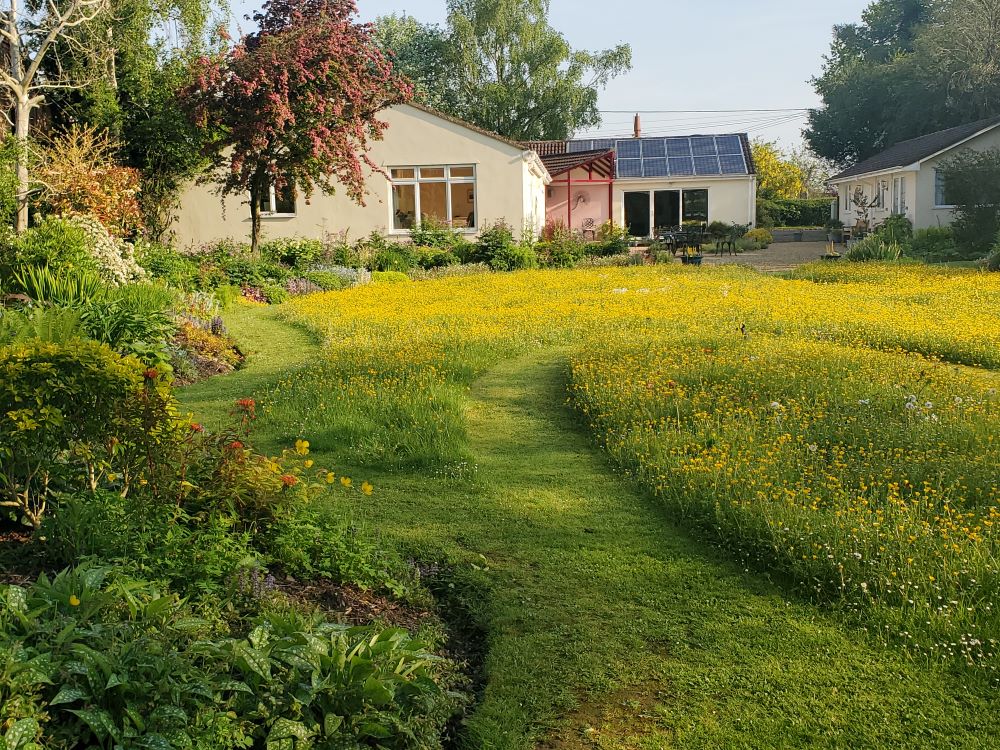
The idea behind “No Mow May” is very simple: for the month of May, residents pause mowing their lawns to allow grasses, clover, and early wildflowers to grow. In plain English, it means: let your lawn mower rest and your yard come back to life—just for a few more weeks after the mid-March thaw.
This small act asks residents to do less, not more. And it can have a truly meaningful impact. Those plants growing in our yards are made of carbon; they pull it from the atmosphere and store it in their living tissue and in the soil. If we begin to think of our lawns not as empty, manicured spaces but as literal small, local carbon sinks, then many yards together multiply that effect across an entire town.
No Mow May also supports pollinators like bees at a critical time in the season. It encourages native plant growth. It improves soil health. It is a rare kind of environmental action that asks us to take a break and still make a difference.
In a time when many solutions to environmental challenges can seem daunting or out of reach, “No Mow May” offers something truly accessible, visible, and community-centered. It invites residents to participate together in a shared act of environmental stewardship. How? By leaving the lawn mower inside for just one more month, saving on that extra gas at the pump, and sitting back to watch the flowers grow.
This month, please consider practicing “No Mow May”.