
Category: Analysis

The author reviews an issue with the goal of explaining a topic, or convincing the audience of something. Analysis may include partisan views.

  • Preserve or Build? Rocky Hill’s Crossroads Between Conservation and Construction

    Preserve or Build? Rocky Hill’s Crossroads Between Conservation and Construction

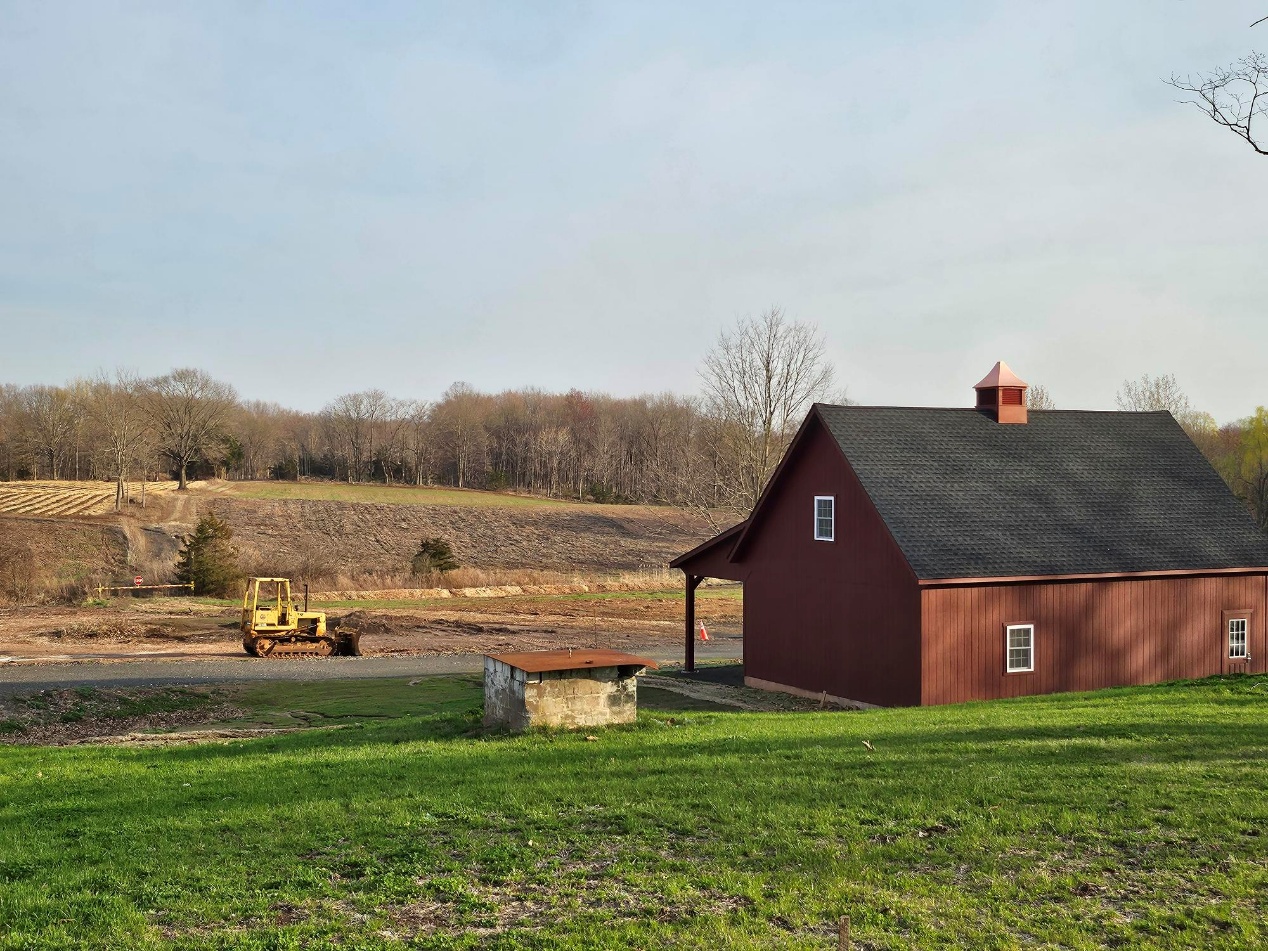
    In the quiet town of Rocky Hill, Connecticut, the tension between land preservation and housing development has reached a familiar and pressing crossroads. As towns across the state grapple with rising housing demands, Rocky Hill offers a compelling case study of the trade-offs—and long-term consequences—of development versus conservation.

    At the heart of the debate is the town’s remaining open space—patches of woodlands, meadows, and wetlands that serve as both ecological sanctuaries and buffers against overdevelopment. Proponents of preservation argue these lands are more than scenic relics; they are vital to the community’s health, environment, and identity. Farming, long a staple of Rocky Hill, has fewer active farmers working the land.

    Preserving open space helps maintain biodiversity, protects watersheds, and curbs the heat island effect, a growing concern as climate change intensifies. In Rocky Hill, undeveloped parcels such as Dividend Pond and parts of the Great Meadows offer not only critical habitats but recreational opportunities that promote well-being and community connection. For residents, these natural assets are irreplaceable. It includes the importance of preserving open spaces to protect community character, enhance quality of life, and provide economic benefits. Between 2012 and 2019, Rocky Hill preserved over 450 acres from development, either through development rights or outright purchase. In 2012, a $10 million referendum to preserve existing farmland and open space, voters approved by a 2-to-1 margin – and won handily in all three voting districts. In 2019, another referendum to preserve an 84 acre farm passed by a 3 to 1 margin. Unfortunately, since 2020, not one acre has been preserved. As an about face from open space preservation, more than six apartment complexes have passed, and are either under construction or will be soon. One new development received a tax abatement worth more than $7 million.

    But the debate isn’t just about aesthetics or ecology—it’s also about economics. Development brings short-term financial gain: new housing increases property tax revenue and fuels the local economy through construction jobs and related services. For example, a new subdivision of 25 homes assessed at $500,000 each could generate over $400,000 in annual property taxes. This kind of growth may seem like a fiscal boon to a town with a modest budget.

    However, the long-term cost of development can outweigh these gains. Studies in Connecticut and elsewhere have shown that for every $1 collected in residential property taxes, municipalities often spend $1.20 or more on services such as schools, emergency response, and road maintenance. In Rocky Hill, adding dozens of families could significantly increase the cost of education—by far the largest budget item—along with wear and tear on infrastructure and expanded demand for public safety.

    In contrast, preserved land requires little to no public services and often pays for itself over time. A report by the Trust for Public Land found that every $1 invested in land conservation returns an average of $4 in natural goods and services. In towns like Rocky Hill, preserved spaces can also enhance nearby property values and attract visitors, boosting small businesses and maintaining the town’s appeal.

    The solution lies not in an all-or-nothing approach, but in careful, deliberate planning. Rocky Hill can serve as a model for smart growth: encouraging infill development, supporting affordable housing near existing infrastructure, and identifying key parcels for permanent conservation. Strategic use of state open space grants and partnerships with organizations like the Connecticut Farmland Trust can stretch municipal dollars and protect key landscapes.

    Land preservation and housing development need not be enemies. With thoughtful policy and community input, towns can balance the need for homes with the imperative to protect the natural spaces that define their landscape and legacy. Current apartment building owners should be incentivized to renovate old apartments and convert them to affordable housing that will both help a town reach their 10% affordable threshold and also limit the need to build new buildings on open space.

    And it’s not just Rocky Hill. Towns within Hartford County stand at a pivotal moment—one that demands vision, not just for the present, but for generations to come.

    Opinion piece: This article reflects the position of the author and not necessarily that of the Democratic Town Committee.
  • What is the impact of the 25/26 budget on the Rocky Hill Library?

    What is the impact of the 25/26 budget on the Rocky Hill Library?

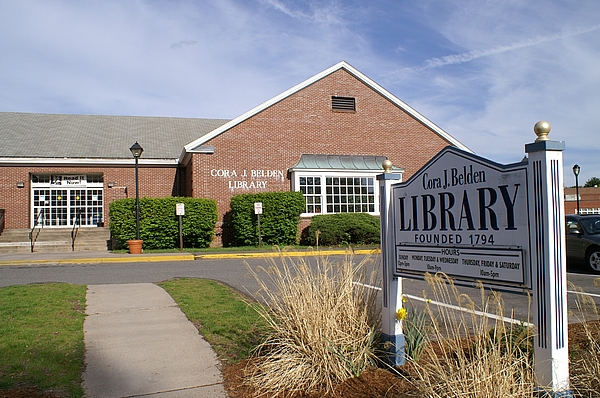
    Rocky Hill’s new budget was passed last month. On June 9, Library director Michael Murphy shared with the Board of Trustees for the Rocky Hill Library what impacts on library personnel and service we could expect to see from the austere budget. 

    Like many of the departments that deliver town services, the library faces serious cuts from Town Council members beyond  the budget proposed by the town manager. Accounting for increased costs due the growth of salaries and inflation, the library director proposed a budget of $1,104,406. The Town Council approved a library budget of $1,033,896, a relative reduction of $70,510

    What changes were made to the Library budget to meet this new target?

    Staff hours reduced

    A 35-hour-per-week library technician has moved out of the district and left a position vacant. The library will not fill this position. The decision will reduce spending by $65,510.

    This change reverses a hiring decision made by the library. The library posted the job description for the replacement earlier this year, interviewed candidates, and made the decision to move a qualified part-time staff member into the full-time position, starting, at the request of the town, after the end of fiscal year 2025. Since the position has been frozen, the chosen candidate will continue as part time staff.

    Book purchasing budget reduced

    The library’s book purchasing budget was reduced from a proposed $92,000 to $87,000. The decision will reduce spending by $5,000.

    Why does this matter?

    The FY 25/26 budget continues a trend in reducing the library’s workforce. The loss of a 35-hour position follows the freezing of a 40-hour-per-week assistant director role left vacant in  2024, when the current library director was promoted.. This 40-hour-per-week position remains frozen. With these two positions, as well as several more flexible part time roles not being rehired, the library is currently operating on nearly a hundred labor hours fewer per week than it was in 2023.

    What is the impact on the community?

    Embedded within the town’s budget for the library is the expectation that in the coming fiscal year, the library will increase the number of library visits, program participants, and library card users by 2.5% each. While those are not, at face value, unreasonable goals, it is important to consider that increases in library use generally stem from outreach from librarians to members of the community (at schools, senior centers, public events, etc.) Furthermore, library programs, even those conducted by volunteers, require the support of library staff who are not being rehired. 

    It is not sustainable to expect 2.5% growth in user services if the town does not provide a proportionate investment in library staff.

    Though the library continues to provide important and robust services to citizens of the town, Murphy reported to the trustees that the library has likely hit its limit in terms of what budget cuts the staff can absorb without reducing services. Popular programs at the library are already quickly over-subscribed, and the demand for more programming cannot be met without supporting staff. For example, library workers have already had to reduce the number of technology help sessions offered to the community.

    Finally, the $5,000 cut to library books represents a 5.4% decrease from last year’s budget. While this cut may not seem out of line with cuts levied against other departments, it is worthwhile to consider the ways in which cuts across departments can compound each other. The 2025-2026 town budget, for example, also cut the summer literacy programs from the education budget. While it might be hoped that the library could help fill the important gap for Rocky Hill students who need extra literacy support, the library’s ability to offer summer support to these students decreases when the town slashes not only its staff, but also its materials budget.

    What can I do?

    Joining the Friends of the Rocky Hill Library and attending their fundraising events remains one of the best ways to support their library. The Friends of the Rocky Hill Library generate funds through regular donations, used book sales, mini-golf events, and more. They are already responsible for thousands of dollars of funding towards library programming and materials every year. Though their efforts cannot replace sustained public investment, community contributions through the Friends are invaluable, helping to keep the library active and afloat.

    Ultimately, the town government needs to hear from its community that the library is a cherished asset. Emails or direct conversation with the folks in charge of the budget, especially during budget season, can have a huge impact. Contact the town manager, the mayor, and/or your Town Council members to urge them to support the library director’s budget next year. 

    It is not a viable long-term strategy to ask departments to do more with less every year, and our library is too valuable to the community to let it wither away.

    Opinion piece: This article reflects the position of the author and not necessarily that of the Democratic Town Committee.