Category: Analysis

The author reviews an issue with the goal of explaining a topic, or convincing the audience of something. Analysis may include partisan views.

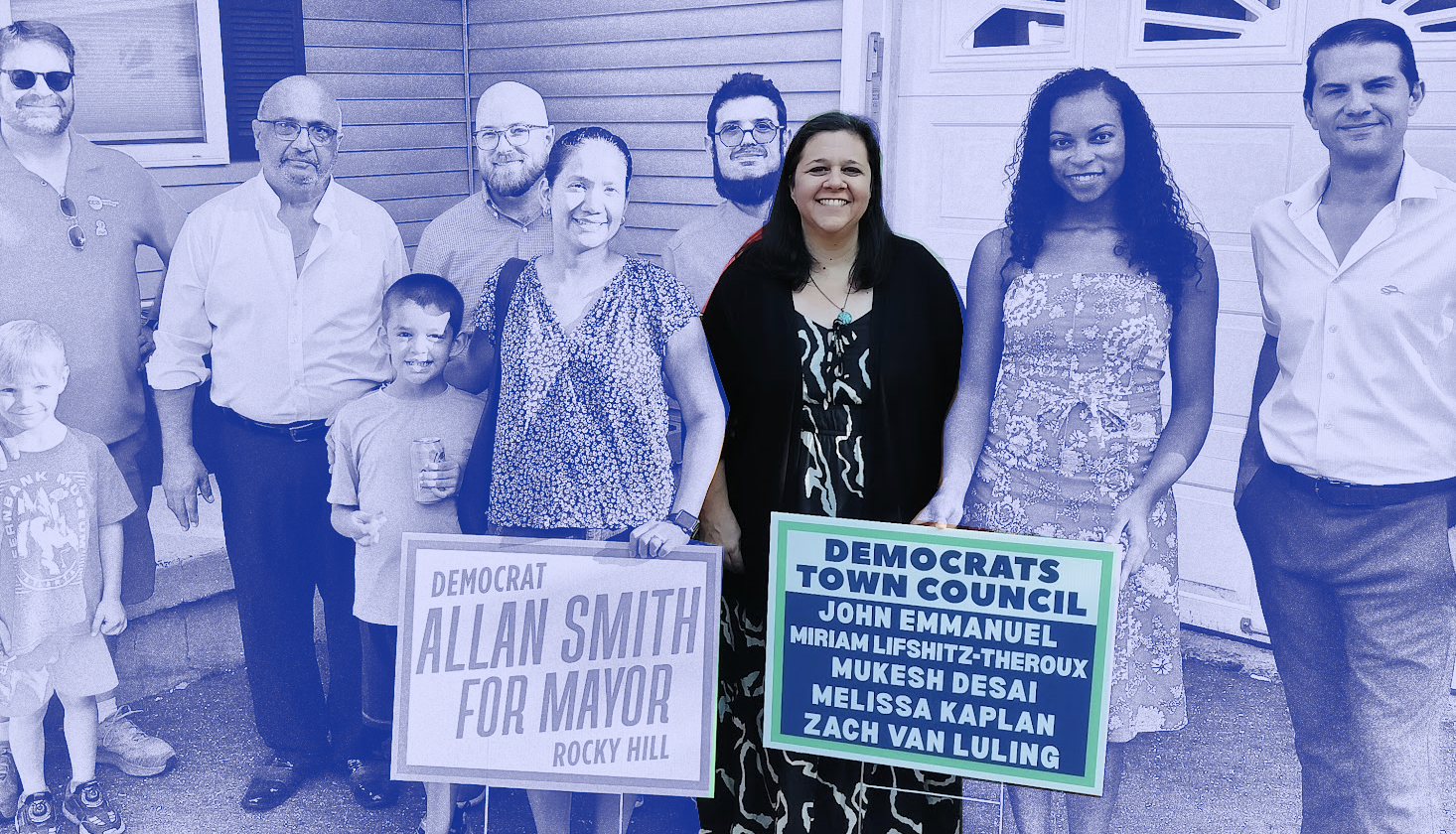
  • Melissa Kaplan: Why I’m Running for Rocky Hill Town Council

    Melissa Kaplan: Why I’m Running for Rocky Hill Town Council

    Since moving here in 2018, Rocky Hill has become my family’s home, and I care deeply about its future. Over the years, I’ve seen the challenges we face and the opportunities we have, and I want to help ensure our town grows in a way that is smart, fair, and future-focused. At a time when its easy to feel helpless, I want to bring my passion for the natural environment, sustainability, inclusion, and smart growth to the Council. I’m running because I believe Rocky Hill deserves strong voices on the Council who are willing to listen, work hard, and put people first.

    A Scientist and Community Servant

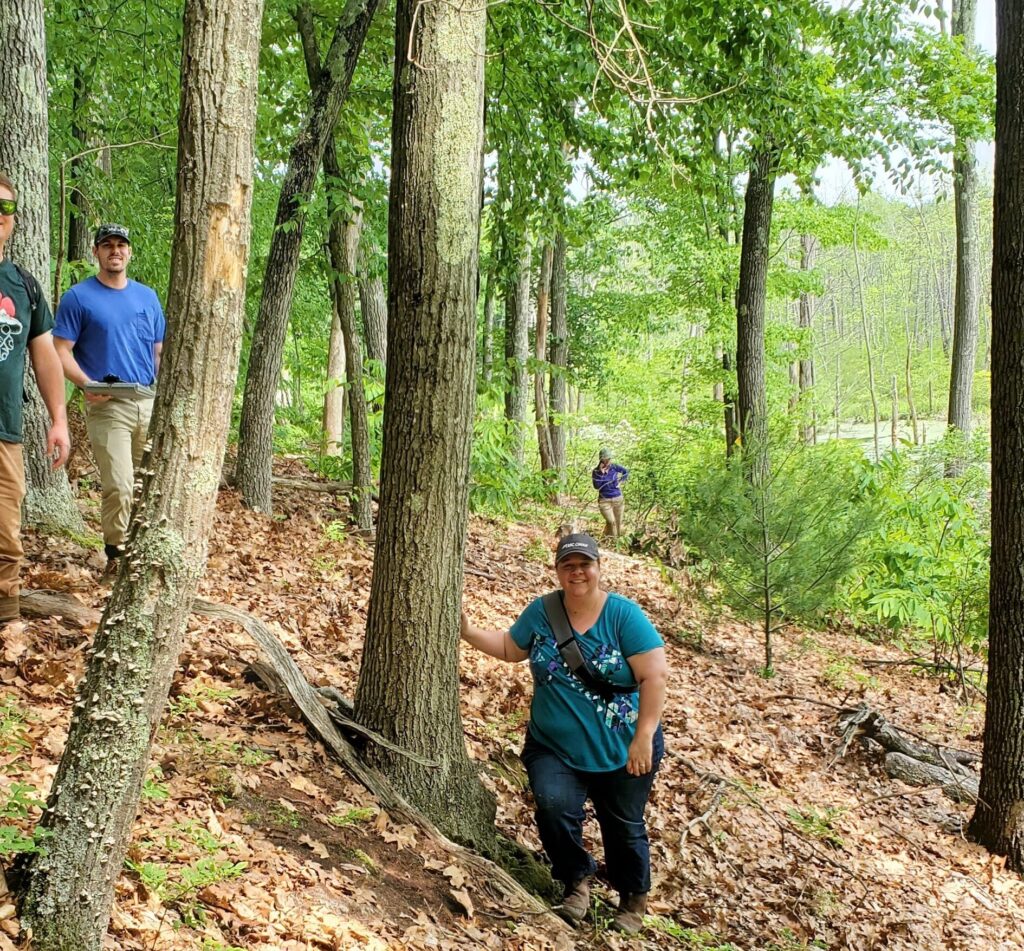
    By profession, I’m an environmental scientist and the Licensing and Permitting Team Lead at BSC. I’m also on the board of the Connecticut Power & Energy Society. For more than 20 years, I’ve helped communities, utilities, and municipalities navigate complex issues—protecting natural resources, making smart infrastructure choices, and balancing development with conservation. Here in town, I serve on the Conservation Commission, helping to protect our wetlands and waterways. This background gives me the experience to bring practical, informed solutions to our Council.
    My Agenda As Your Next Town Counselor

    There are a few things that are at the heart of my campaign:

    Protecting Natural Resources & Infrastructure Resilience Our wetlands, rivers, and green spaces are part of what makes Rocky Hill special. I’ll make sure we protect them while also investing in infrastructure upgrades—culverts, stormwater systems, and flood protection—so our town is resilient and prepared for the future.

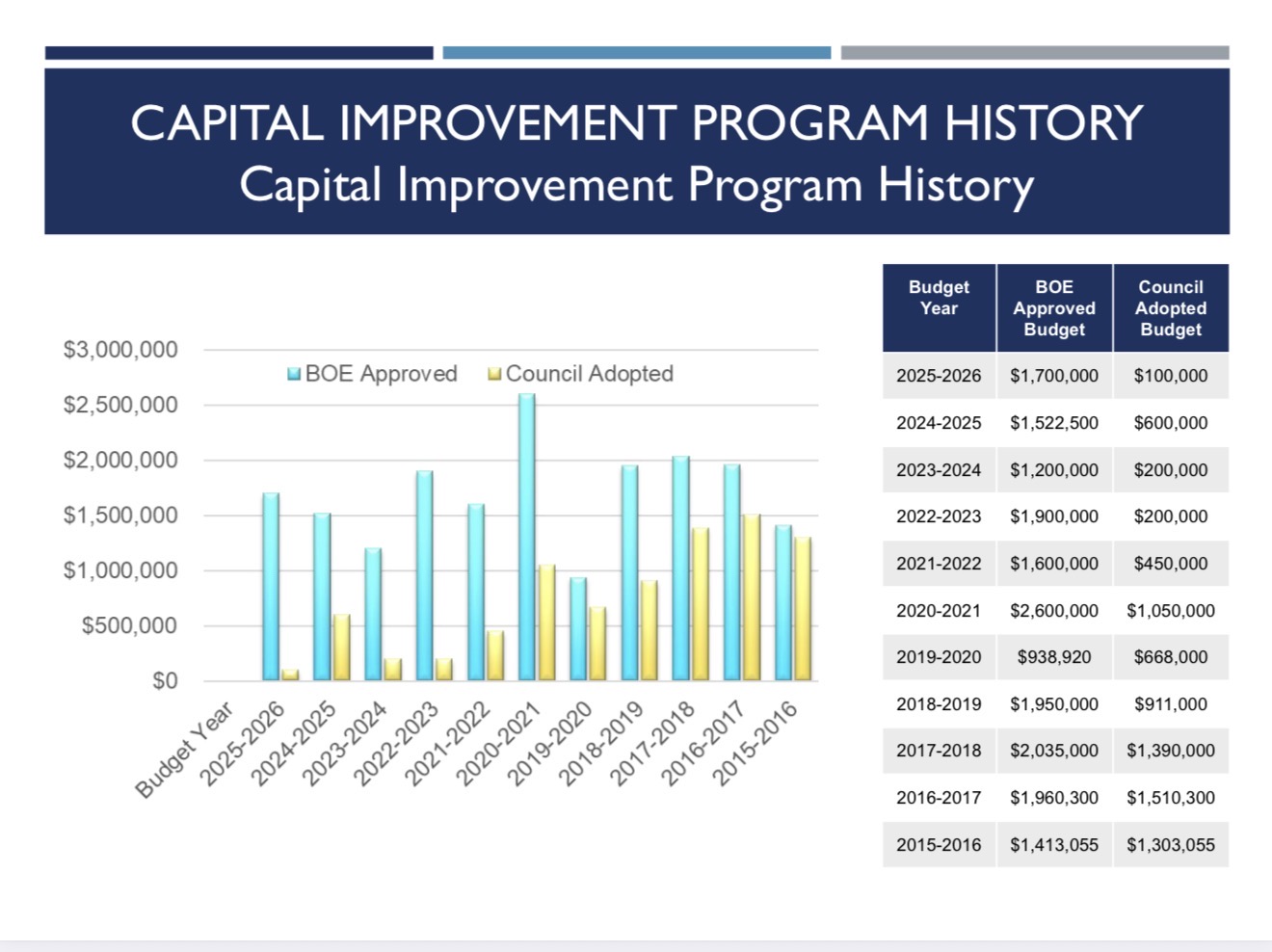
    Strong Public Schools – As a mom of 2 young boys, I believe our children deserve safe, inclusive, fully funded schools. That means making sure facilities are up to date—like A/C at Stevens and a new roof at West Hill—and ensuring libraries and classrooms are places of learning, free from censorship or extremism.

    Smart, Sustainable Development – Rocky Hill needs growth that works for residents. That means development that brings in tax revenue, respects our environment and neighborhoods, and includes affordable housing so all families can thrive here.

    Community Safety & Inclusion – We’ve seen hate messages and graffiti in our community, and I believe we must stand firmly against intolerance. Just recently, a family was driven out of town by hate messages right at their front door. Every family, every child should feel welcome and safe in Rocky Hill.

    Responsible Taxes & Affordability – As we grow, we must balance progress with affordability. Families and seniors shouldn’t be priced out of the town they love, and I will advocate for responsible budgeting that works for everyone.

    At the end of the day, this campaign isn’t just about me—it’s about us. It’s about what we want Rocky Hill to look like in 5, 10, or 20 years. I believe in a town that protects what makes us special, invests in our children, and creates a future that is strong, inclusive, and sustainable.

    I’m asking for your support—not just your vote, but your voices, your energy, and your ideas. Together, we can make sure Rocky Hill moves forward in the right direction.
  • The Case for Local Investment in Our Schools

    The Case for Local Investment in Our Schools

    As someone who taught 4th grade for four years, I know firsthand how critical funding is to the success of both students and teachers.

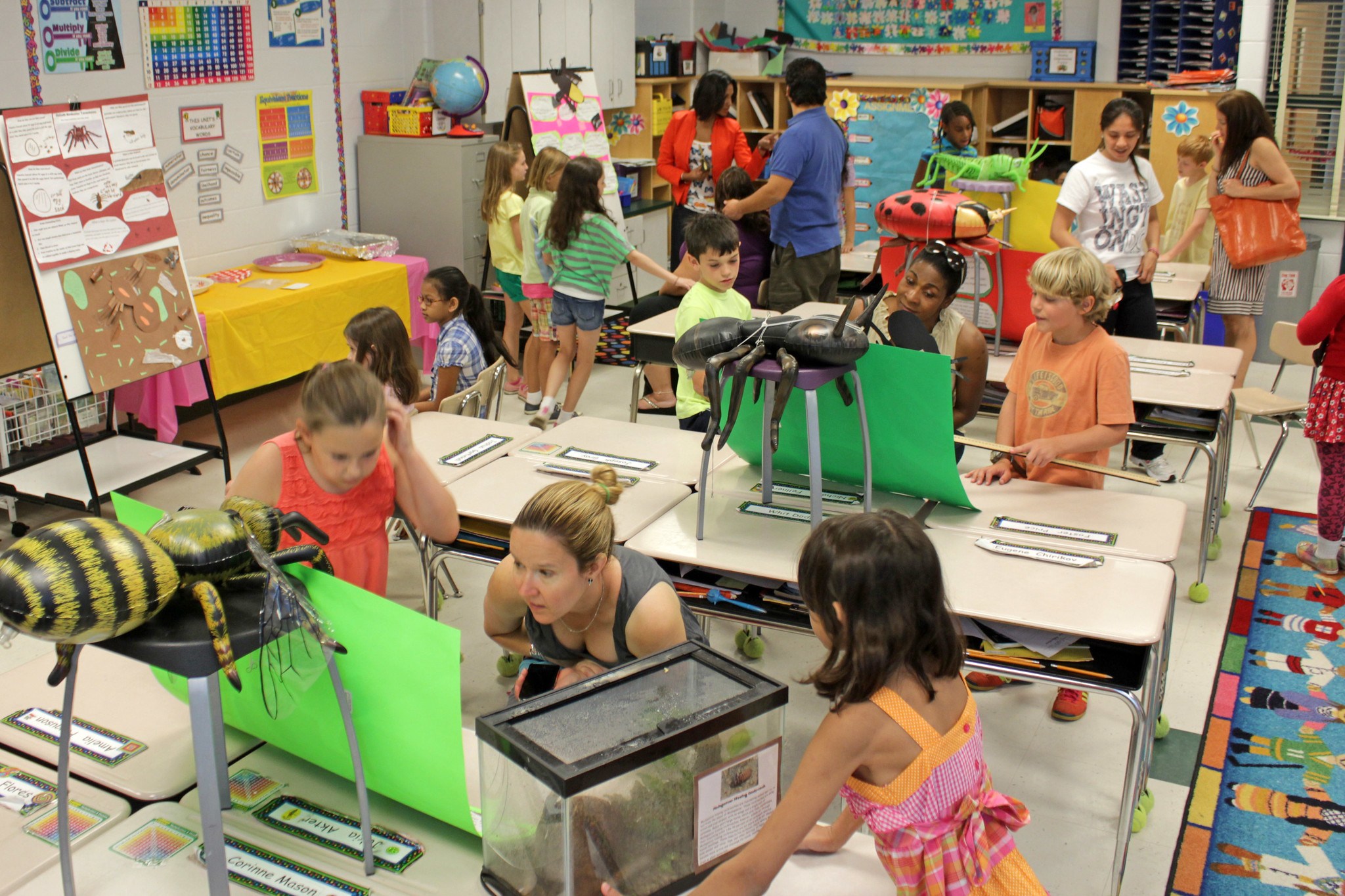
    In my classroom of 20 students, many required extra support, whether that meant help focusing during lessons, guidance with assignments, or simply someone to listen. I wanted to give each child the individualized attention they deserved, but with one teacher and limited resources, it was impossible to keep up with their diverse needs.

    As a teacher, you don’t just deliver lessons. You juggle dozens of roles at once. In a single 45-minute math block, I might be guiding one student through long division, helping another decode a word problem, reminding a third to stay on task, and calming a fourth who is overwhelmed and near tears. At the same time, a student might ask to use the bathroom, another may be struggling with a Chromebook that won’t log in, and two others could be having a conflict that needs immediate attention. Teaching often feels like trying to run ten parallel lessons at once. 

    “Teaching is such a rewarding job. But without enough staffing support or resources, it becomes an impossible task.”

    And all of this happens on top of the hours of preparation and follow-up that make the day possible: designing lessons that reach every learner regardless of their level, gathering materials, grading assignments, and staying in touch with parents about their child’s progress or concerns. Teaching doesn’t end when the bell rings. It continues long after the students go home. 

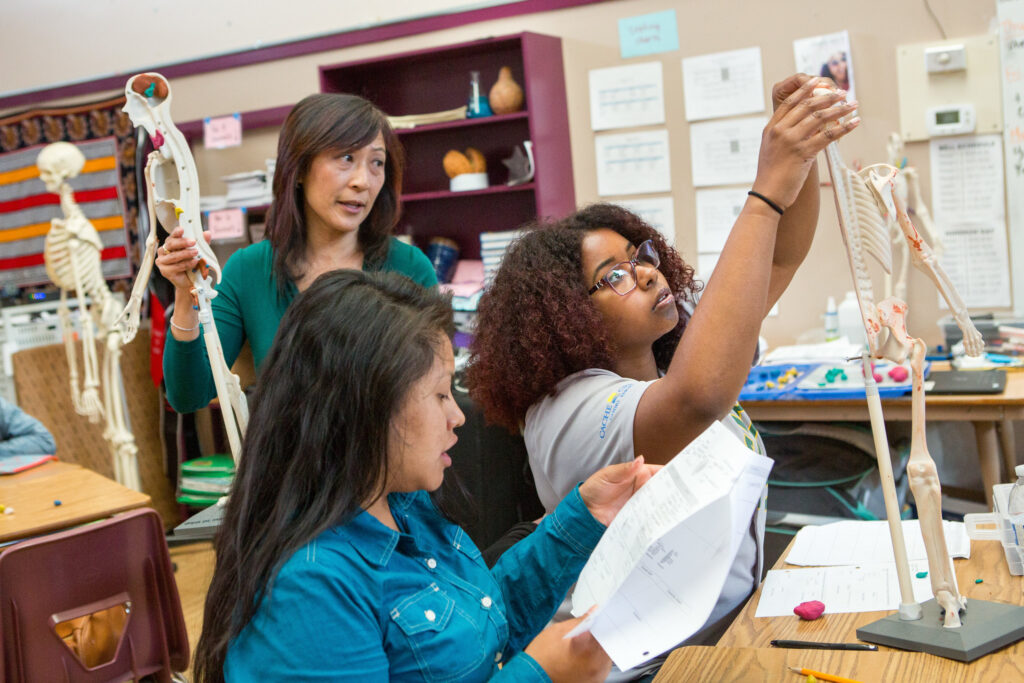
    Photo by Allison Shelley/The Verbatim Agency for EDUimages

    Teaching is such a rewarding job. But without enough staffing support or resources, it becomes an impossible task. Imagine a doctor’s office where one physician was responsible for seeing 20 patients simultaneously, each with different needs, some requiring constant attention. That’s what many classrooms feel like.

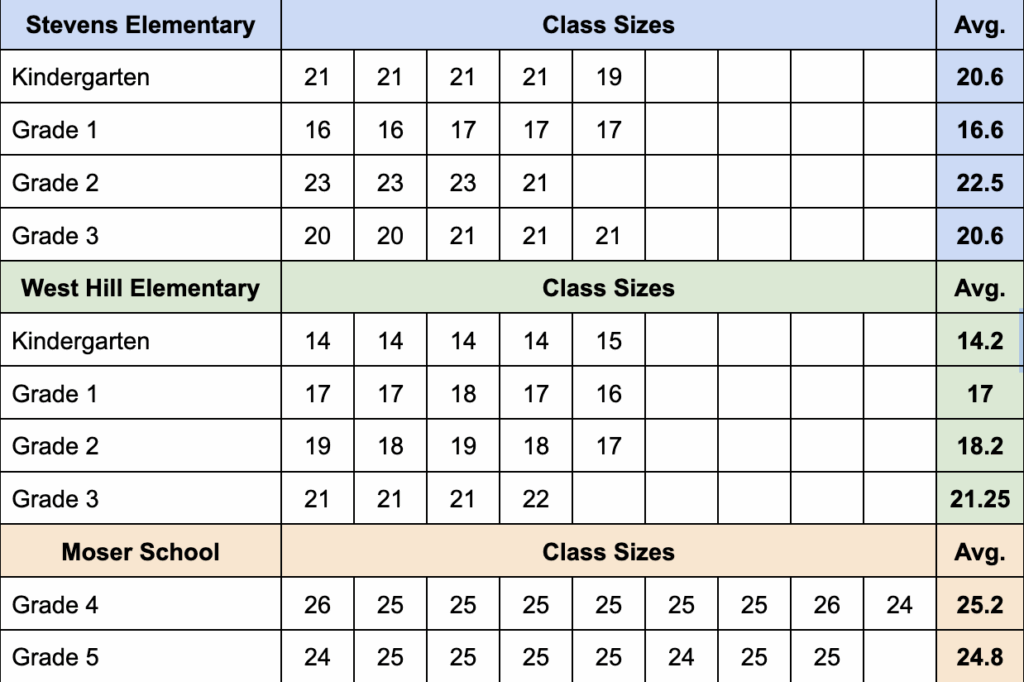
    Here is what class sizes look like in town this year, according to a document presented at the September 18 Board of Education meeting. A follow-up report is expected at the October 18th meeting.

    A table indicating average class sizes

    In Rocky Hill, elementary class sizes are often larger than 20 students, with some even reaching 26. While many of our classes are close to the maximum size according to our board policy, the student-to-teacher ratios are larger than many experts recommend. Across the decades, studies have shown that class sizes of 12-17 students lead to better educational outcomes than classes of 21-15 students. The state of Connecticut recommends class sizes of 18 for grades K-3.

    That gap represents several additional children per classroom, each with their own needs, without any extra adult in the room to help. Teachers want to give their best, but without more people, more tools, and more time, we’re set up to fail. This struggle is part of the reason why I eventually left the classroom.

    My district expected outstanding results and strong test scores, but it could not provide the staffing, time, or resources necessary to make those expectations realistic. Teachers often face this impossible equation: do more with less, year after year.

    The truth is, funding makes a real difference. When schools are properly funded, they can provide the support that makes quality teaching and learning possible. Essential supplies, engaging curriculum, paraprofessionals and specialists to share the workload, and the time and resources teachers need to meet each student’s need, are essential. All of these investments directly affect the quality of education children receive and the stability of the teaching profession itself. 

    “Teachers often face this impossible equation: do more with less, year after year.”

    But the benefits of school funding go beyond the classroom. Even if you don’t have a child in the public school system, you benefit directly from strong schools. They attract new families, increase home values, strengthen the local economy, and prepare the next generation of citizens to contribute to society. A well-educated community is a safer, healthier, and far more vibrant one.

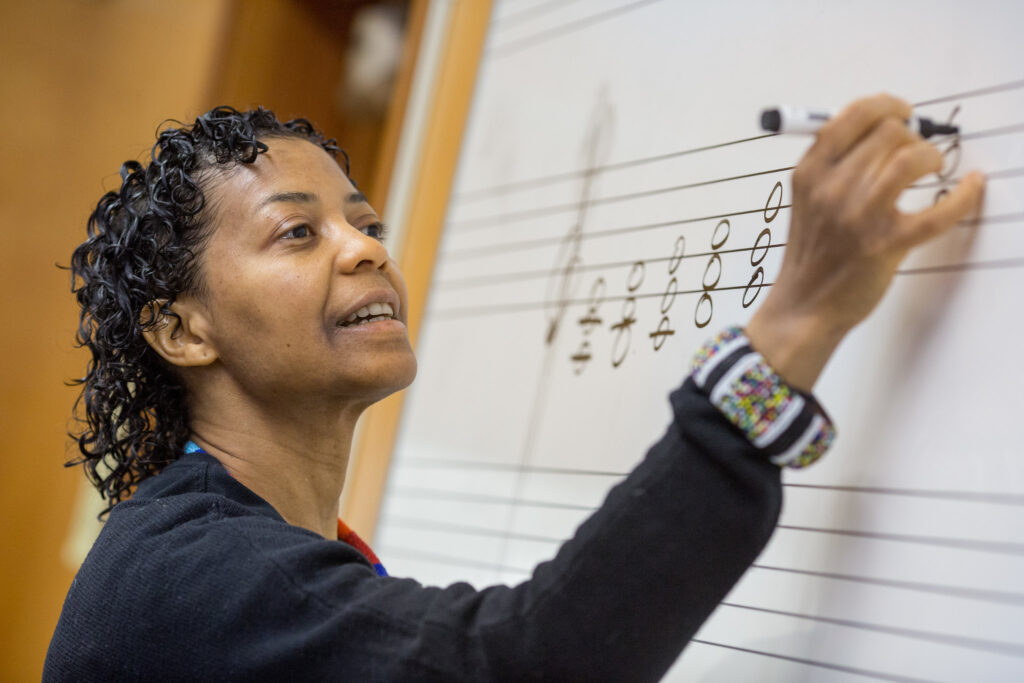
    A woman teaching music
    Photo by Allison Shelley/The Verbatim Agency for EDUimage

    To quote author John Green, “Public education does not exist for the benefit of students or the benefit of their parents. It exists for the benefit of the social order. We have discovered as a species that it is useful to have an educated population. You do not need to be a student or have a child who is a student to benefit from public education. Every second of every day of your life, you benefit from public education.”

    In other words, supporting our schools isn’t charity. It’s an investment in ourselves and our town’s future. Knowledge is power, and when we withhold resources from our schools, we chip away at that power. We limit our children’s futures and, in turn, our community’s potential.

    Local funding decisions matter. Every dollar allocated to education ripples outward, shaping not just the lives of students and teachers, but the well-being and success of our entire community. This is why it’s essential to support candidates who are committed to prioritizing education. Rocky Hill deserves leaders who will fight for manageable class sizes, support staff, and the resources teachers need to do their jobs well. Our community’s future depends on the choices we make at the polls now. 

    Opinion piece: This article reflects the position of the author and not necessarily that of the Democratic Town Committee.